Wildlife
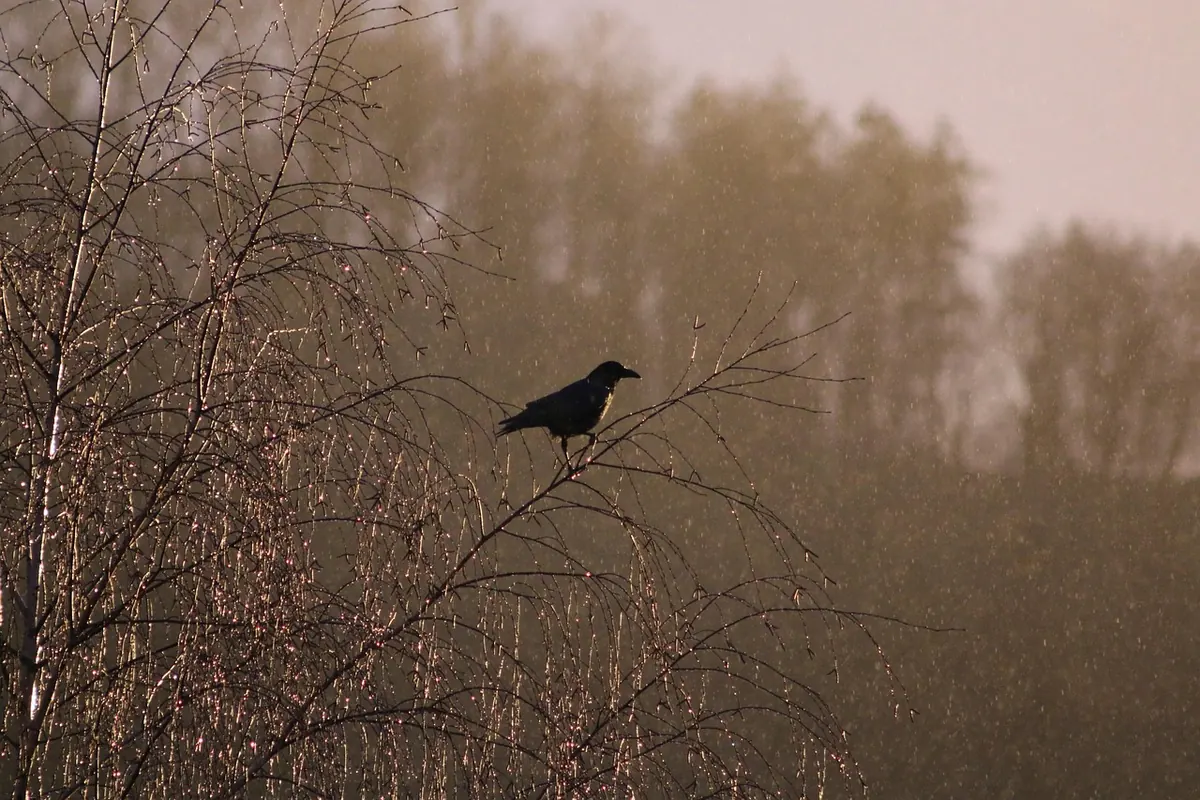
Why Do Crows and Ravens Gather in Large Roosts?
Just before dusk on a cold November afternoon, the sky above a stand of limes in the middle of town starts to fill. Birds come in from the north, then the west, then from every direction at once — dark shapes on steady, purposeful flight, all heading for the same few trees. If you have stood under a corvid roost, you know the sound: a rising tide of caws, chuckles and jack-jack-jack chatter that builds until the light fades, then stops almost at once.
It looks dramatic, and it has earned crows and ravens a reputation for gathering in ominous numbers. The behaviour is far more interesting than the folklore — and easy to watch, provided you watch it well.
What Counts as a Communal Roost
A roost is simply where a bird spends the night. A communal roost is a place where many birds do it together, often with more than one species involved. In Britain the classic winter roost is rooks and jackdaws sharing the same wood, with carrion crows joining in at some sites. Numbers vary enormously: a village roost might hold a few dozen birds, while long-established sites in woods, plantations, parks and town centres can attract hundreds, sometimes far more.
Roosts are usually traditional. The same trees are used year after year, and the birds often arrive from a wide area — feeding grounds can be several miles away, and the daily commute is part of the pattern.
Why They Gather
There is no single explanation, and the balance of causes has been argued over for decades. Several advantages probably overlap:
- Safety in numbers. Hundreds of pairs of eyes are better than two. A predator approaching a roost is likely to be spotted early, and any one bird's chance of being the one taken is small.
- Information. A roost is a daily meeting point. Birds that have found a rich food source may be followed out to it next morning — a real advantage when winter food is patchy.
- Warmth. Sheltered trees and dense clusters of bodies reduce heat loss on frosty nights, which matters more for smaller corvids such as jackdaws than for big ravens.
- Good position. Birds choose sites that are safe, sheltered and convenient, often close to reliable winter food — farmland, a landfill or a town centre's dropped chips.
The information-sharing idea is the most debated, and you can see why it is hard to prove: a bird heading out to a field the morning after a roost might be following a companion, or might simply be returning somewhere it already knew about. What is not in doubt is that the arrangement works. These gatherings persist for months, and the birds keep coming back.
The Seasonal Pattern
Roosts have a rhythm worth knowing, because it tells you when to go and what to expect.
Through the year
Numbers build from late summer, when young birds that have left their parents' territories join up. By October the gatherings are obvious. They usually peak in the hardest weeks of winter, from December into February, then break up in spring as pairs move off to nest: rooks back to their rookeries, jackdaws to their nest holes, carrion crows to their territories.
Evening and morning
Arrivals start well before sunset. Early birds trickle in, then the sky fills in waves, with the busiest half hour in the last of the light. In midwinter, departures can begin before sunrise, especially on clear, cold mornings. For the full spectacle, be in position an hour before sunset and stay put. To watch them leave, get there before first light.
Ravens Do It Differently
Ravens rarely join the great mixed roosts of crows and rooks. In Britain they are mostly territorial birds, living as pairs on moorland, coastal cliffs and upland crags, and a pair will generally roost near its own territory rather than travel to a communal site. Where ravens do gather, it is usually non-breeding birds or family parties — a handful to a few dozen — roosting on a cliff face, in a quarry or in a remote stand of trees. In parts of North America and northern Europe, ravens form much larger winter roosts, so the answer depends on where you are. If you are watching a big urban roost in England, you are almost certainly watching crows, rooks and jackdaws.
Watching Responsibly
A roost is where birds are trying to survive the night, and disturbance costs them energy they cannot easily spare. A few habits keep the experience good for both sides:
- Watch from outside the flight line, well back, rather than standing under the roost trees.
- Use binoculars or a scope. You will see far more, and the birds will barely register you.
- Never use playback to pull birds in, and keep torches and flashes off the roost itself.
- Leave drones at home. They flush birds reliably and annoy the neighbours.
- Stay on public paths, and ask permission before crossing farmland or entering private woods.
- If the birds start calling sharply and lifting off as you approach, you are too close. Back off and settle again.
- Avoid visiting in hard frost or strong wind, when the birds are most stressed and least tolerant.
Think before publishing precise locations. Town-centre roosts are usually fine to share; remote ones are not always, and it is worth checking with the landowner or your local wildlife trust. Records are genuinely useful, so send counts and dates to your county bird recorder.
Finding a Roost and Getting the Most From It
The easiest way in is to watch the sky at dusk. Pick a high spot with a wide view in late afternoon and look for birds flying purposefully in one direction. Follow the flow and you will usually find the trees. Local bird clubs and wildlife trusts are good sources too — roosts are well known locally, even when they are not publicised.
Once you have found one, treat it as a project rather than a one-off. Note the time the first bird arrives, the peak of activity and a rough count, then go back a few weeks later. You will start to see patterns: which direction the birds come from, how numbers shift with the weather, and how the whole thing falls silent within minutes of sunset. Take a flask, arrive early, and stay until the last bird has settled. It is one of the cheapest, strangest and most satisfying evenings that British birdwatching offers.
Photo: Holedulidu / Pixabay