Nature
A Beginner's Guide to Garden Birdwatching in the UK
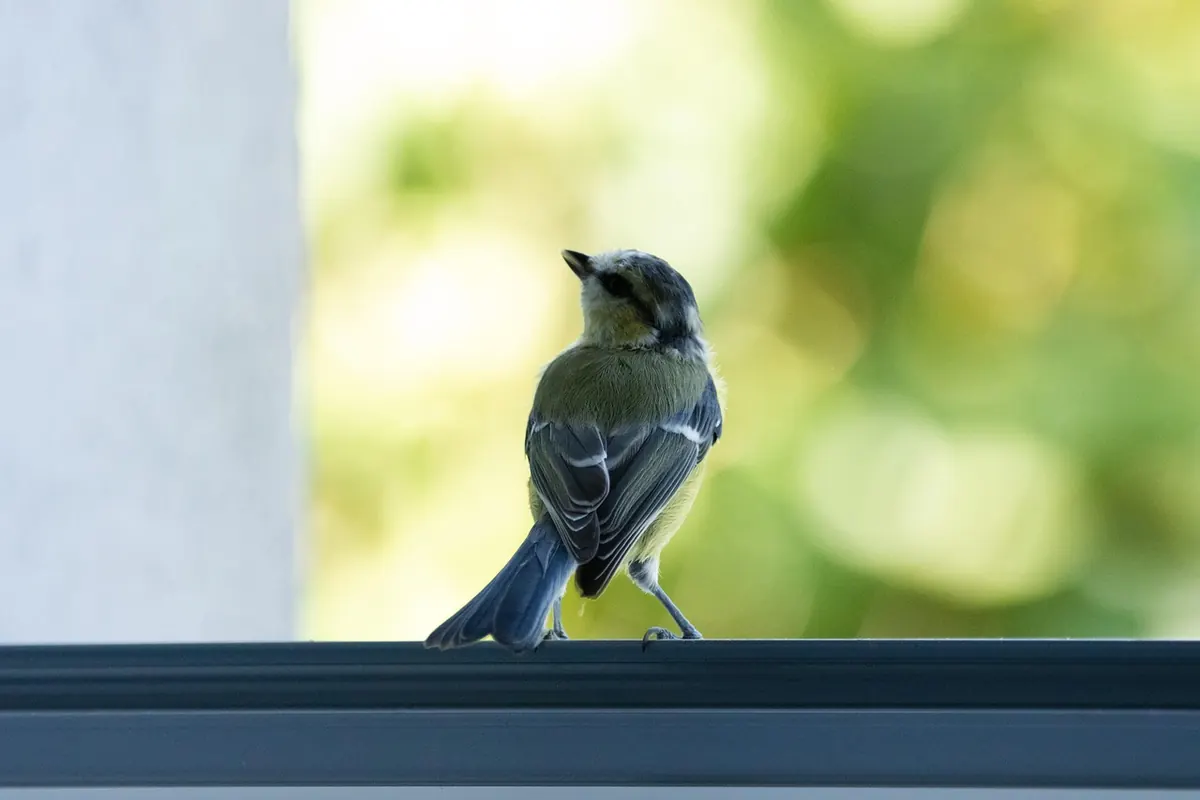
Most garden birdwatching begins by accident. You are halfway through the washing-up when something small and blue lands on the fence, and for a few seconds nothing else matters. The pleasure is in the noticing. Everything else — the feeders, the shrubs, the shallow dish of water — simply makes that noticing happen more often.
You do not need a large garden, expensive kit or years of knowledge. You need somewhere to sit, a few minutes of patience, and a rough idea of what birds want: food, water, shelter and safety. Get those four right and the patch will do the rest.
Start With What You Already Have
Before buying anything, spend a week watching what is already there. Note which birds turn up, roughly when, and where they land first. A blue tit usually pauses on a fence or a branch before dropping to a feeder. A blackbird will work steadily along a border, flicking leaves aside. Knowing those routes tells you where a feeder or a dish of water will actually be used rather than ignored.
Pick one seat — a kitchen chair, a stool on the balcony, the end of the sofa nearest the window — and make it your lookout. Keep a pair of binoculars or your phone beside it. Birds quickly get used to a still, quiet figure behind glass, and you will see far more from a regular spot than from wandering about.
Cover matters as much as food. A patch of open lawn with nothing around it will stay empty, because a bird feeding in the open is a bird watching over its shoulder. If there is a hedge, a tree or even a dense shrub within a few metres of your feeders, traffic will increase almost immediately.
Food: What to Put Out, and What to Leave Out
Offering a variety suits different beaks and habits, but a single well-chosen feeder is better than five ignored ones. Good staples include:
- Sunflower hearts — no husks, no mess, and eaten by almost everything, from tits to greenfinches.
- Nyjer seed — best in a fine-port feeder that goldfinches and siskins can reach.
- Suet balls, blocks or pellets — invaluable in cold weather, when birds need energy fast.
- Mealworms, dried or live — a magnet for robins, wrens and hungry parents in spring.
- Peanut granules — safer than whole peanuts, particularly when adults are feeding chicks.
Skip bread, milk, salted or dry-roasted nuts, leftover cooked food and anything mouldy. Whole peanuts are best avoided in spring and early summer, when adults may pass fragments to nestlings; granules are the safer option. A cheap mixed seed often contains fillers such as wheat and split peas that many birds simply scatter on the ground, so a bag of sunflower hearts tends to go further in practice.
Hygiene is not optional. Clean feeders every couple of weeks in hot soapy water, rinse well, dry, and move them to a new spot now and then so droppings do not build up in one place. If you notice a bird looking fluffed up and lethargic, or with a swollen, crusty face, take the feeders down for a fortnight, scrub everything and let the site rest.
Water Matters More Than You Expect
A shallow dish with gently sloping sides will be used for drinking and bathing all year round — often by birds that ignore your feeders entirely. A plant saucer, an upturned bin lid or a proper bird bath all work; add a large stone or two so small birds can perch and bathe without going under.
Place it within a metre or two of a shrub, but not underneath one, so birds can scan for cats while they splash. Refresh the water daily in warm spells, and in frosty weather pour a little warm water over the ice rather than cracking it, which can damage the dish. Clean it out regularly, too; standing water grows algae quickly.
Plants, Pots and Shelter
Planting is the slowest but most rewarding part. Native shrubs such as hawthorn, holly, rowan, guelder rose and elder give berries, insects and nesting sites. Ivy is superb for winter cover and late berries. Leave seedheads on teasels, sunflowers and grasses through the cold months, and resist the urge to tidy every corner — a small log pile or patch of longer grass becomes a larder for wrens, dunnocks and blackbirds.
On a balcony, use pots: lavender, herbs, a compact birch or a climbing honeysuckle. A window box of nectar-rich flowers brings in insects, which in turn bring in birds. Even a single window can work, with a bracket-mounted feeder or a suction feeder on the glass. Many small gardens fail simply because birds have nowhere to wait before committing to a feeder.
Make It Safe
Cats are the most common predator in most gardens. If you have one, a collar with a quick-release bell helps, and keeping it indoors at dawn — when birds are busiest — makes a real difference. Placing feeders close to thorny shrubs gives birds somewhere to escape.
Windows are the other hazard. A feeder sited so that it reflects sky or foliage can lead to collisions. Position feeders either within a metre of the glass, so birds cannot build up speed, or well over three metres away, and consider stick-on window markers spaced a few centimetres apart. In the UK, wild birds, their nests and their eggs are protected by law, so check hedges carefully before cutting and leave pruning until the late summer or autumn.
Learning to Watch
For garden use, a pair of 8x30 or 8x42 binoculars is ideal — close focus matters more than magnification, since your subjects may be four metres away. Keep them by the window, along with a field guide or an identification app. Learn two or three calls a week and you will soon identify birds before you see them: the robin's wistful winter song, the chattering of a magpie, the thin, high call of a goldcrest.
The birds you will meet first
- Blue tit — acrobatic, quarrelsome, almost always first to a new feeder.
- Great tit — bigger, bolder, with a two-note "teacher-teacher" call.
- Robin — territorial all year, sings through winter, follows digging.
- Blackbird — hops on the lawn, turns leaves, sings at dusk from a rooftop.
- Dunnock — quiet, mouse-like, shuffles under the feeders rather than on them.
- Goldfinch — flocks to nyjer, musical twittering, red face and gold wing bar.
- Woodpigeon — clumsy, greedy, often the reason your seed vanishes.
Write it down
A notebook or a note on your phone is enough: date, time, weather, species, rough numbers. After a few months you will see patterns rather than a list — visitors arriving at particular times, winter redwings and fieldfares stripping berries, swifts screaming over rooftops in July. Keep it simple, or you will stop doing it.
Your First Week
- Sit in your chosen spot for fifteen minutes on three mornings before you change anything.
- Put out one feeder of sunflower hearts and a shallow dish of water nearby.
- Leave both alone. If nothing comes for a fortnight, that is normal — move them a little closer to cover and wait.
- Add a shrub, a pot or a log pile for shelter when you have the chance.
- Keep a few notes, and clean the feeder at the end of the month.
That is the whole method. Small, regular, unhurried. Within a season, a patch you used to walk past will have become somewhere you check every morning.
Photo: wzdigiphoto / Pixabay