Wildlife
A Month-by-Month Guide to Birdwatching in the UK
The birding year in Britain doesn't so much begin in January as carry on through it. Even in a hard frost there's something to watch: redwings stripping a hawthorn hedge, a raven tumbling over a coastal ridge, goldeneye strung across a reservoir. What changes is the cast list. Knowing roughly who is about, and when, turns a walk into a proper outing.
January and February: the cold-weather cast
These are months for wildfowl and for birds that only visit us in winter. Reservoirs and gravel pits hold goldeneye, goosander and the occasional smew; estuaries fill with wigeon, pintail and knot. On stubble and rough grassland you'll find fieldfares and redwings working the hedges, often with a mistle thrush or two defending the last of the berries.
Check alders and birches for siskins and redpolls, and beech woods for bramblings in a good mast year. Whooper swans gather at places such as Caerlaverock and Welney, with numbers building through the winter.
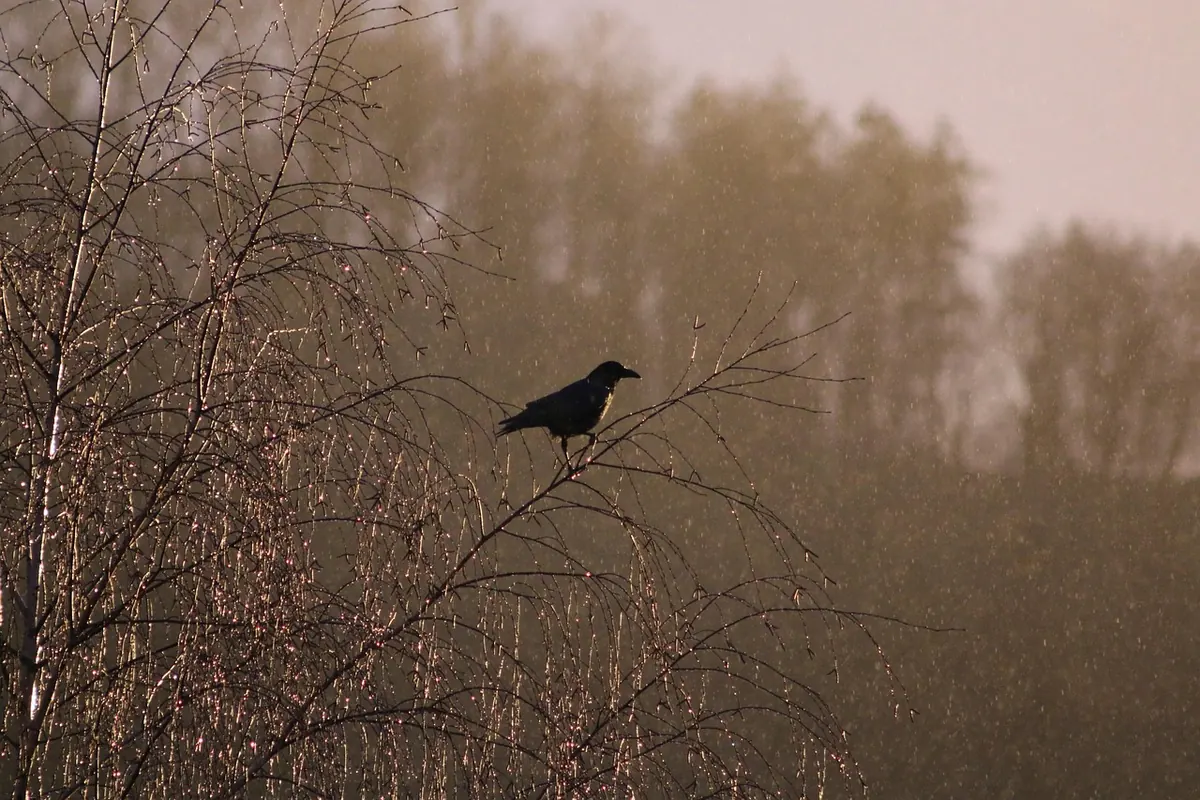
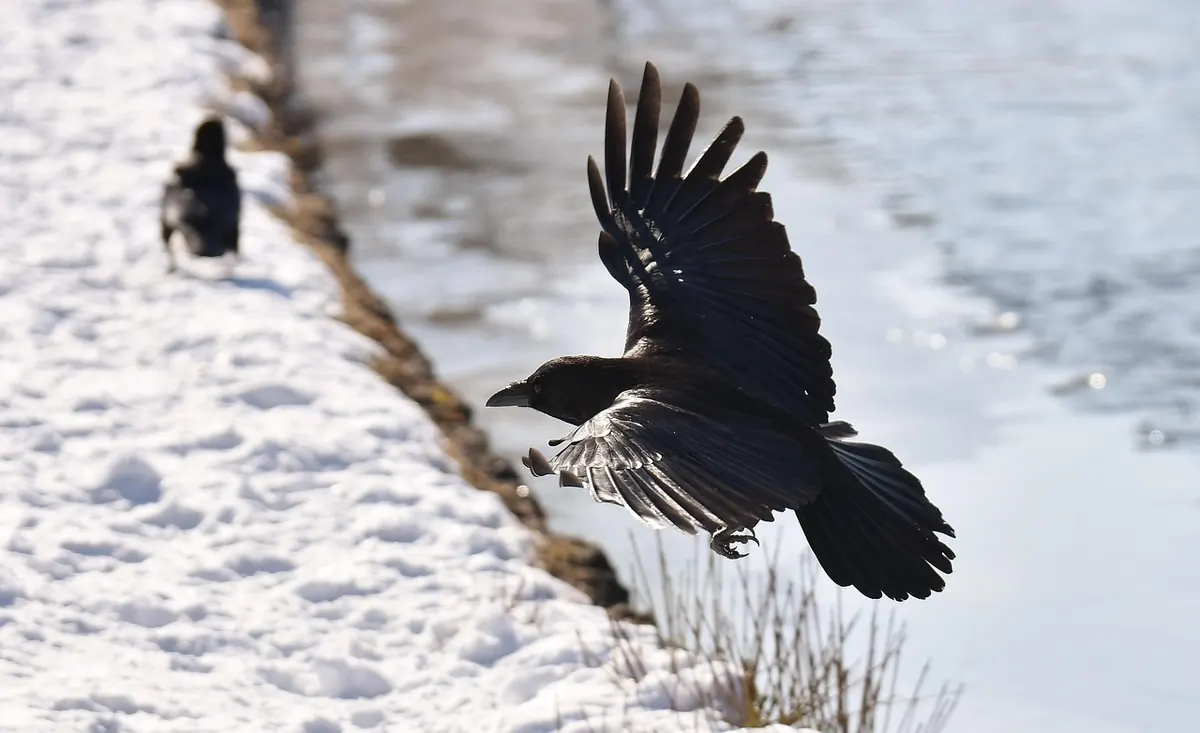
Corvid note: this is roost season. Jackdaws and rooks pour into communal roosts in the hour before dusk, sometimes in their thousands, while carrion crows are already paired and territorial. Listen for a rookery clattering back to life in late February.
March and April: the year tilts
Mid-March is when things shift. Chiffchaffs start singing — a thin, repetitive two-note phrase that's easy to learn and hard to forget. Sand martins appear over lakes and gravel pits, wheatears flick along coastal fields, and the first swallows trickle in. By April the trickle is a flow: blackcaps, willow warblers, house martins, common terns.
Look too for ring ouzels on passage over stony hillsides, ospreys back at Scottish lochs and Rutland Water, and garganey and little ringed plovers on gravel workings.
The dawn chorus builds through April, so spend a few mornings learning songs rather than chasing rarities. Start with chiffchaff, blackcap and willow warbler; get those three and the woodland begins to make sense.
Corvid note: rookeries are in full swing — count nests now, before the leaves hide them. Magpies build their domed nests and go quiet; jays slip through the woods almost unseen.
May and June: noise and hurry
This is the peak. Song is at its loudest and most varied, birds are feeding young, and seabird cliffs are at their busiest. If you manage one early start all year, make it now: be in position by half four or five and let the light come up around you.
Swifts scream over towns from early May. Cuckoos call from scrub and moorland edge. Nightjars churr — that strange, rising and falling purr — on heathland at dusk. On the coast, puffins, guillemots, razorbills and kittiwakes crowd the ledges.
Two rules for this season. Keep your distance from nests and nest sites, and don't use playback to pull birds in close while they have young to feed. Some species are protected by law from disturbance at the nest, and for a few of them even photography needs a licence. If in doubt, back off; a scope gives a better view than a close approach.
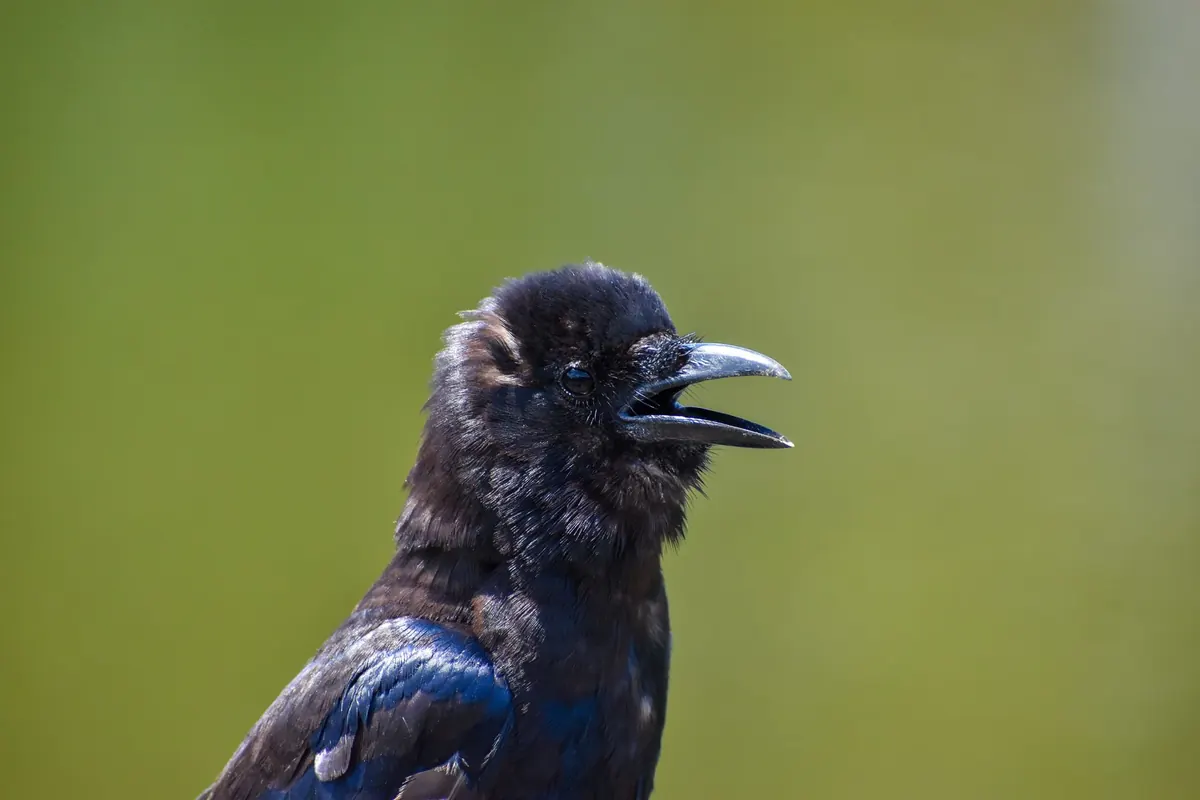
Corvid note: young magpies, jackdaws and crows fledge and beg noisily for weeks, while ravens tumble and croak over coastal crags and inland quarries.
July and August: the lull that isn't
People call this the quiet period. It isn't. Breeding winds down and return passage begins almost at once. Waders come back from the Arctic — green sandpipers, wood sandpipers, ruff, black-tailed godwits, greenshanks — dropping onto estuaries, scrapes and muddy reservoir margins. Ducks look scruffy as they moult, which makes identification more interesting than it ought to be.
Seabird colonies empty out; on Skomer and Ramsey, Manx shearwaters fledge on dark nights. Swift numbers thin through August, and by the month's end most have gone.
One tip to remember: low water concentrates waders. After a dry spell, check shrinking pools and exposed mud first, because that's where the food is.
Corvid note: family parties of jays move through oak woods, and mixed flocks of rooks and jackdaws start to build on stubble again.
September and October: wind, weather and visible migration
Autumn is the best time to be out at first light on a ridge or headland. Pick a spot with a wide view and spend an hour watching what comes over: meadow pipits, skylarks, redwings, chaffinches, siskins, and sometimes something far better. Visible migration is quietly addictive, and costs nothing but a warm coat and an early alarm.
Follow the wind, not the calendar
Easterlies in September and October push drift migrants onto the east coast, from Yorkshire down to Norfolk — yellow-browed warblers in most years, red-breasted flycatchers and barred warblers in the best ones. Westerly gales bring seabirds close inshore: Leach's petrels and Sabine's gulls off the Irish Sea coast and the south-west, sometimes watchable from a car park.
Pink-footed geese arrive from Iceland in skeins that talk to themselves, their calls carrying for miles. Redwings and fieldfares follow the first proper northerlies.
Corvid note: jays are the stars of an autumn wood. They carry acorns one at a time and bury them singly, so you'll see dozens of birds flying low with a beak full of oak.
November and December: roosts and gatherings
Winter birding is about numbers. Starling murmurations build at dusk, with reedbeds and piers holding the biggest. Bitterns settle into the phragmites. Short-eared owls and hen harriers hunt coastal marshes in the last hour of light. Waxwings turn up in some winters, tied to berry crops, and a supermarket car park with a row of cotoneaster is as good a place as any to see them.
Check the tide tables, too. A rising tide pushes waders and wildfowl off the mudflats, and high water is the best time to count them properly.
Corvid note: rook and jackdaw roosts peak now. Adopting one roost and counting birds in through the winter is a satisfying long game, and it produces records that actually get used.
Practical tips that pay off all year
None of this requires expensive kit or long journeys. A few habits make the difference between a pleasant walk and a proper bit of birding.
- Keep a local patch. Anywhere you can visit weekly — a park lake, a canal, a headland — will show you more than a dozen trips to famous reserves, because you'll learn its regulars and notice the odd one out.
- Go early, or go late. Birds are most active and most vocal in the first and last hours of daylight.
- Read the weather the night before. Cold snaps push birds towards the coast, easterlies bring migrants, gales bring seabirds.
- Write your sightings down and submit them. Schemes such as BirdTrack feed into county recorders and help protect the sites you enjoy.
- Slow down. Stand still and listen for a full five minutes before moving on. Much of what you'd have walked past will come to you.
Add decent binoculars, waterproofs and a flask and you're equipped for every month of the year. If you're heading somewhere remote alone, tell someone your route and check tide times before you set off. The UK's birding year rewards patience — and it rewards turning up.
Photo: bluebird6 / Pixabay